

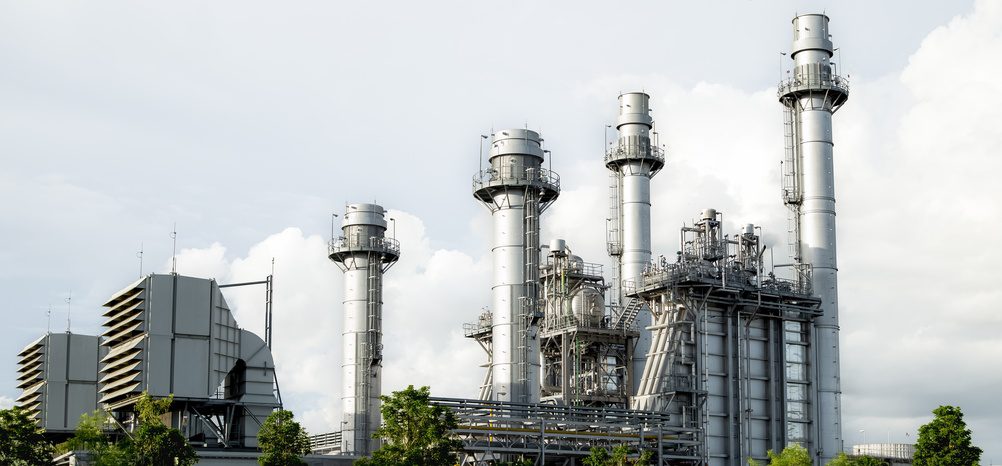
Selective Catalytic Reduction, often called SCR, is an emissions control process used to reduce nitrogen oxide emissions from exhaust streams. These systems are common in industrial processes, power generation, combustion equipment, and engine applications where cleaner exhaust performance is a priority. The basic purpose is clear: help convert harmful nitrogen oxide compounds into nitrogen and water vapor through a controlled reaction inside the catalyst section.
An SCR monitoring system needs more than one measurement to keep that process working as intended. Temperature, gas flow, reagent supply, catalyst condition, and pressure behavior all matter. Differential pressure gauges are especially useful because they help operators understand how exhaust gas is moving through the SCR system and whether internal resistance is changing over time.
At Mid-West Instrument, we see differential pressure as a practical tool for making hidden conditions visible. A gauge cannot see the catalyst surface or chemical reaction directly, but it can show pressure changes that may point to restriction, fouling, plugging, or flow imbalance. That information helps operators respond before performance suffers or equipment downtime occurs.
In many SCR systems, stable flow through the catalyst is essential. If exhaust flow becomes restricted, uneven, or harder to move through the system, the reaction environment may become less predictable. Differential pressure measurement gives operators a straightforward way to watch that behavior. A normal reading suggests the system is operating within its expected pressure profile. A rising reading may indicate developing restriction. An unexpected shift may signal that the system needs inspection.
For facilities that depend on emissions control equipment, visibility matters. The sooner an operator sees a change, the easier it is to correct the condition in a planned and controlled way.
How SCR Systems Use Ammonia and Catalyst Flow
In a typical SCR process, a reducing agent is introduced into the exhaust gas stream before the gas reaches the catalyst. Depending on the application, that reagent may be anhydrous ammonia, aqueous ammonia, or another ammonia-based solution. The goal is to deliver the right amount of reagent into the exhaust stream so the reaction can reduce nitrogen oxide emissions effectively.
The catalyst section provides the environment where the reaction occurs. Exhaust gas and reagent pass through the catalyst, and the system relies on proper mixing, temperature, contact time, and flow distribution. If one part of that balance changes, the overall performance of the SCR process can be affected.
This is where differential pressure can support an SCR monitoring system. As exhaust passes through the catalyst bed or related components, the system naturally creates a pressure drop. That pressure drop becomes a useful indicator. If the catalyst section is clean and flow is stable, the differential pressure should remain within the expected operating range. If ash, particulate, residue, or other buildup begins to restrict flow, the pressure drop may increase.
Differential pressure gauges can also help operators understand the condition of upstream or downstream components. Screens, ductwork, filters, mixing sections, and other flow-path elements can all affect how the SCR system performs. When pressure changes appear, operators can use the reading as a clue that something in the flow path deserves attention.
Ammonia flow regulation is another important part of system performance. The reagent must be delivered in the right amount for the exhaust conditions. Too little reagent can reduce NOx conversion. Too much can create waste, odor concerns, or downstream problems. While differential pressure gauges do not control ammonia dosing by themselves, they support the broader monitoring picture by helping confirm that the gas path is not developing resistance that could affect distribution, mixing, or catalyst contact.
Where Differential Pressure Gauges Fit in an SCR Monitoring System
A well-designed SCR monitoring system uses measurement points that help operators answer practical questions. Is the catalyst section becoming restricted? Is flow through the system staying consistent? Are pressure losses increasing? Is the equipment approaching a maintenance point? Differential pressure gauges help answer those questions locally and clearly.
One common use is monitoring pressure drop across the catalyst section. This gives operators a direct indication of resistance through the heart of the SCR system. A gradual increase may suggest buildup or aging that should be evaluated. A sudden change may indicate a process upset, blockage, damper issue, or other flow disturbance.
Differential pressure gauges may also be used across filters, strainers, or other components that protect the SCR system. If a filter begins loading, the pressure drop across it rises. Monitoring that change helps maintenance teams plan replacement or cleaning before flow is affected enough to cause a larger problem.
Local indication is one of the main benefits of a mechanical differential pressure gauge. Operators walking the system can check the reading immediately without opening a cabinet or logging into a control platform. In harsh or busy industrial environments, that fast visual confirmation can be valuable.
For applications that require added visibility, gauge options can support alarms or remote monitoring. A switch can activate when differential pressure reaches a selected set point. That signal can alert operators that restriction is approaching a maintenance threshold. A transmitter can send continuous data to a control system, allowing teams to trend pressure drop over time and identify gradual changes before they become urgent.
The right approach depends on the system. Some SCR installations may only need local indication. Others may need alarms, remote signals, or continuous trending. At Mid-West Instrument, we help customers think through how the instrument will be used, who will read it, what action should follow, and what environment the gauge must withstand.
Selecting and Using Differential Pressure Gauges for SCR Applications
Choosing the right differential pressure gauge starts with the operating conditions. An SCR application may involve elevated temperatures, outdoor exposure, vibration, combustion-related particulates, and demanding duty cycles. The instrument must be selected for the pressure range, working pressure, media conditions, installation location, and visibility needs.
The range should be matched to the expected pressure drop. If the gauge range is too wide, small but important changes may be hard to see. If the range is too narrow, the gauge may operate too close to its upper limit. A well-chosen range helps operators recognize normal operation, early restriction, and alarm conditions with confidence.
Working pressure must also be reviewed. Differential pressure instruments measure the difference between two points, but the gauge body and connections must be suitable for the pressures present in the system. The application may have a relatively low differential pressure across a component while still operating within a larger pressurized exhaust or process environment.
Material compatibility and construction are important as well. SCR environments can include moisture, reagent-related conditions, particulates, and temperature variation. The gauge should be selected with appropriate wetted materials, case protection, and mounting style. If the application is exposed to vibration, a mounting arrangement that protects the instrument and keeps the dial readable can improve long-term reliability.
Installation should be handled with care. Pressure connections should be placed where they accurately represent the condition being monitored. Lines should be routed to reduce plugging, damage, and misleading readings. The gauge should be mounted where operators can read it safely during routine checks. Clear labels should identify the high and low pressure sides so readings are interpreted correctly.
Once installed, the gauge should become part of the operating routine. Teams should establish a normal baseline, define action points, and record changes over time. A rising differential pressure trend may indicate that inspection or cleaning should be planned. A sudden change may call for immediate troubleshooting. A reading that does not respond as expected may indicate an instrument or connection issue rather than a process change.
Differential pressure gauges help make an SCR monitoring system more practical, visible, and responsive. They help operators detect pressure changes that may point to restriction, fouling, or flow imbalance. They also support better maintenance timing by showing when system resistance begins to move away from normal.
If your facility needs help selecting differential pressure gauges, switch options, or transmitter solutions for an SCR monitoring system, contact Mid-West Instrument. Our team can help you match the right instrument to your SCR application and support clearer, more dependable emissions control monitoring.