

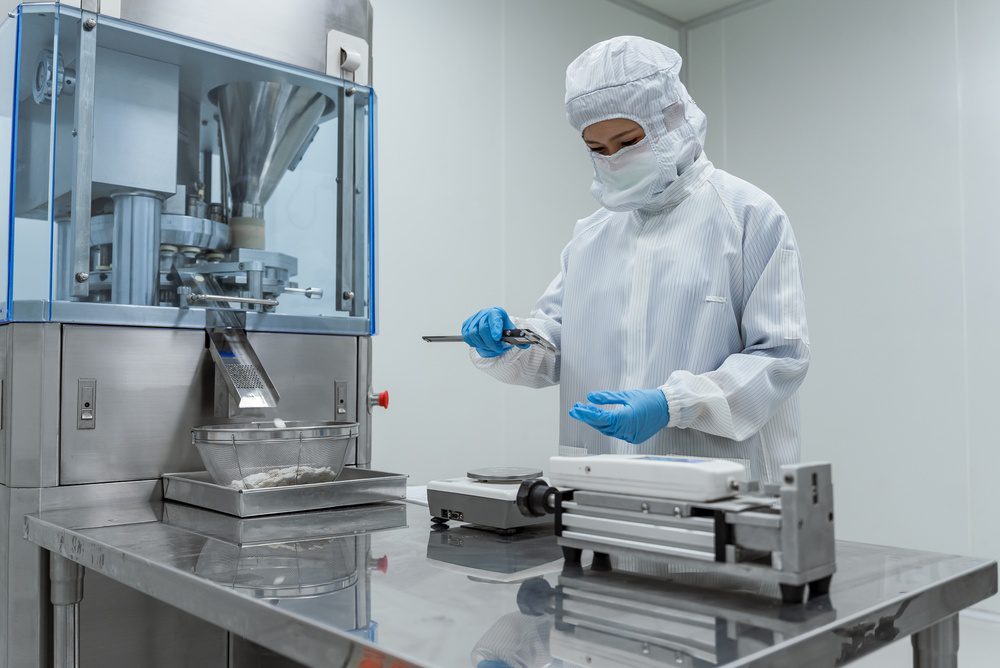
In pharma, biotech, laboratories, and healthcare facilities, air movement is never just air movement. It is part of the contamination control strategy. The way air enters, leaves, and moves between rooms can help protect sterile products, sensitive research, patients, staff, and the surrounding facility. That is why cleanroom differential pressure monitoring is such a practical and important measurement.
A controlled room is often designed to maintain a pressure relationship with adjacent spaces. A positive-pressure room helps keep less-clean air from entering. A negative-pressure room helps contain hazardous, infectious, or unwanted airborne material inside the controlled area. In both cases, the goal is to create a predictable airflow direction.
When pressure relationships drift, contamination risk can rise quickly. A door left open, a clogged filter, an exhaust fan problem, a damper issue, or an unbalanced HVAC condition can change the room’s pressure profile. Operators may not see the problem immediately, but a differential pressure instrument can.
At Mid-West Instrument, we understand that pressure monitoring must be easy to read, dependable, and suited to the application. Cleanroom staff, maintenance teams, and facility managers need instruments that clearly show whether a room is within its intended pressure range. They also need alarm visibility when conditions move outside acceptable limits.
The value of monitoring is simple. It turns an invisible pressure relationship into a visible, actionable measurement. That visibility helps teams respond before contamination control, production quality, or occupant safety is compromised.
How Cleanroom Differential Pressure Monitoring Works
Differential pressure monitoring compares the pressure in one space to the pressure in another. In a cleanroom application, this usually means measuring the difference between a controlled room and an adjacent corridor, airlock, gowning room, support space, or reference area.
The pressure difference is often small, but it is meaningful. Even a slight pressure relationship can influence airflow direction. A differential pressure gauge, switch, or transmitter helps operators confirm that the room is behaving as designed.
A local gauge provides immediate visual indication. Staff can walk by and see whether the room is positive, negative, or near neutral compared with the reference space. This is useful for routine checks and quick troubleshooting.
A switch can support alarm functions. When the differential pressure moves above or below a selected set point, the switch can activate a light, horn, panel input, or other alarm signal. This helps ensure that an out-of-range condition does not depend solely on someone noticing a gauge.
A transmitter sends a continuous signal to a building automation system, monitoring platform, or control system. This allows facilities to trend pressure over time, review events, and connect pressure data with filter loading, fan performance, door activity, or maintenance work.
Cleanroom differential pressure monitoring is especially useful because it supports both daily operation and long-term analysis. A single reading tells the operator what is happening now. A trend tells the facility team whether the system is becoming less stable, whether alarms are frequent, or whether a pressure issue appears after a particular event.
Accuracy, readability, and stability all matter. A cleanroom instrument must respond to small pressure changes without creating confusion. If the pointer is difficult to read or the output is noisy, operators may lose confidence in the measurement. The best monitoring approach gives teams a clear signal and makes abnormal conditions obvious.
Where to Monitor, Alarm, and Document Pressure Conditions
Effective monitoring starts with selecting the right pressure relationships. Not every room requires the same approach. A sterile manufacturing area, compounding room, research lab, isolation room, and general support space may each require different pressure priorities.
Common monitoring points include the pressure difference between a cleanroom and a corridor, between a cleanroom and an airlock, between adjacent cleanliness zones, or between a containment room and the surrounding area. In some facilities, monitoring may also be useful across filters or fan systems to help identify restriction or performance changes.
Alarm strategy should match the risk of the space. A brief pressure dip caused by a door opening may be expected in some rooms. In other rooms, even a short excursion may require immediate attention. The alarm set point, delay, and response plan should reflect the process, room classification, facility policy, and operational risk.
A practical alarm plan should answer three questions. What condition should trigger the alarm? Who needs to know when it happens? What action should follow? Without those answers, alarms can become noise instead of protection.
Documentation is just as important. Pressure logs, trend records, alarm history, calibration records, and maintenance notes all help facilities understand performance over time. Documentation can show that a room remained within range during production, that an alarm was investigated, or that a pressure issue was corrected after maintenance.
For healthcare environments, documentation can support patient and staff safety programs. For pharma and biotech facilities, it can support process control and quality expectations. For laboratories, it can help demonstrate that containment or clean conditions are being maintained.
At Mid-West Instrument, we encourage teams to treat differential pressure data as a working tool, not a filing task. Readings should help identify patterns. Repeated alarms near shift changes may point to door practices. Slowly declining pressure may indicate filter loading or HVAC imbalance. Sudden changes may suggest equipment failure or a control adjustment that needs review.
Choosing a Monitoring Solution That Operators Can Trust
A cleanroom monitoring system is only useful if the people relying on it trust what it says. Instrument selection should consider the pressure range, room function, visibility needs, alarm requirements, installation environment, and maintenance expectations.
The pressure range should be tight enough to show meaningful changes clearly. If the range is too wide, small but important shifts may be hard to see. If the range is too narrow, normal operating changes may drive the instrument beyond its useful span. A well-matched range gives operators better visibility and reduces uncertainty.
The display should be easy to read from the normal viewing position. In busy facilities, operators often have only a moment to confirm room status. A clear dial, clean layout, and logical pressure indication can make daily checks faster and more reliable.
Switch and transmitter options should be selected based on how the facility responds to alarms. A local alarm may be enough for some rooms. Critical areas may need a signal sent to a control system, building automation platform, or remote notification point. The instrument should support the response plan already expected by the facility.
Maintenance also matters. Cleanroom differential pressure monitoring should include periodic calibration or verification based on the facility’s quality program and risk level. Instruments should be accessible without disrupting operations more than necessary. Tubing, ports, and reference points should be labeled clearly so technicians can verify the correct pressure relationship.
Installation details can affect results. Pressure ports should be located where they represent the room condition, not where airflow turbulence or door effects create misleading readings. Tubing should be routed cleanly and protected from damage. Reference points should be consistent, especially when multiple rooms are compared across a suite.
Reliable room pressure monitoring helps facilities maintain control, respond quickly, and operate with confidence. It supports contamination control, protects critical spaces, and gives operators the visibility they need when pressure relationships begin to shift.
If your facility needs help selecting cleanroom differential pressure monitoring instruments, adding alarm visibility, or improving pressure indication across pharma, biotech, laboratory, or healthcare spaces, contact Mid-West Instrument. Our team can help you choose the right gauge, switch, or transmitter solution for dependable room pressurization monitoring.