

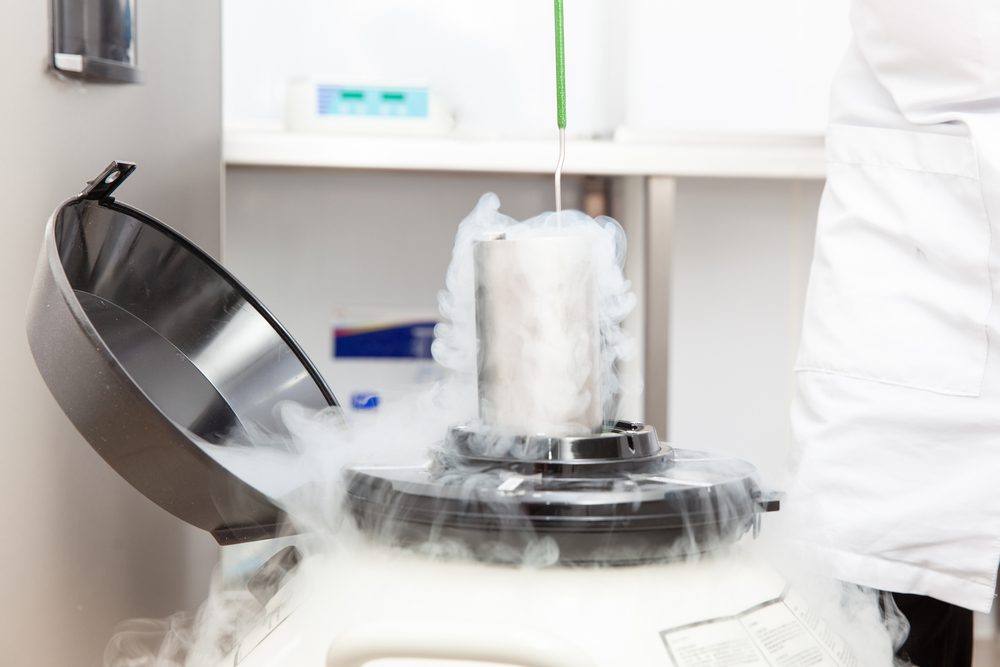
While they’re not the only option, cryogenic tanks are one of the most popular pieces of equipment used for extreme-cold storage. In this article, we’ll explore what a cryogenic tank is, how it works, and the many benefits one can offer.
What Is a Cryogenic Tank?
A cryogenic tank is a type of storage container that uses specialized technology to store items at extremely low temperatures. They are designed to keep items such as liquids, gases, and other materials at temperatures below -150°C (−238 °F). This makes them ideal for substances such as propane, natural gas, nitrogen, and oxygen. Cryogenic tanks are made to safely store and transport these materials, as well as specialty chemicals and pharmaceuticals, such as vaccines and stem cells.
What’s Inside a Cryogenic Tank?
A Cryogenic tank’s anatomy can be broken down into two main parts. The first is an inner vessel, which is made out of stainless steel and designed to withstand very low temperatures. The second is a larger outer vessel, usually made from carbon steel. The two containers are buffered by insulation to maintain the tanks’ low temperature.
A pressure regulation system is also included to keep the tank at its designated pressure, as well as a vacuum jacket to eliminate external heat transfer. The tanks are filled with either liquid nitrogen or liquid oxygen, depending on the application at hand.
The Benefits Cryogenic Tanks Can Offer
The ability to control temperature to the degree possible with cryogenic tanks offers many benefits in and of itself. Beyond that, their design and construction also offer several advantages. Let’s take a look at these benefits in further detail below.
High Efficiency
Cryogenic tanks are incredibly efficient and can hold a large volume of liquid or gas. This means that users can get more out of the product with less effort. Additionally, the tanks are highly resistant to leakage and can maintain their efficiency for a long time.
Improved Safety
With their advanced design, cryogenic tanks ensure that sudden pressure changes are minimized, thus ensuring the safety of personnel and product. These tanks also have additional safety features such as pressure relief valves and isolation valves that further help to prevent sudden pressure spikes that could cause accidents.
Higher Purity
Cryogenic tanks allow for the storage of gasses and liquids in a much more pure state than non-cryogenic containers. This is due to their hermetically sealed environment, which is completely resistant to external agents. This prevents any type of contamination from entering the storage container, ensuring that the stored gas or liquid stays in its purest state.
Longer Shelf Life
The strong insulation offered by cryogenic tanks also extends to shelf life. The cryogenic environment inside the tank helps to preserve perishable goods and substances for much longer periods of time than other storage containers can offer.
Mid-West Instrument
Cryogenic tanks play a large role in many industries and applications, from gas and chemical storage to medical research. Mid-West Instrument is a leader in the manufacture of high-quality cryogenic tank level measurement products, designed to help ensure the safety and efficiency of your staff and operation. Visit our website today for more information.